Cancer Treatment Rides: How to Get Through 6 Months of Chemo Without Burning Out Your Family
Chemo isn’t one ride. It’s thirty, forty, sometimes more — on a schedule that doesn’t care about anyone’s job, sleep, or sanity. Here’s how Hampton Roads families build a transportation plan that lasts as long as treatment does.
Don’t make one person the whole plan. Layer it: keep the milestone visits for family, put the recurring infusion runs on a standing schedule with a professional medical ride service, and keep free programs and same-day backup in reserve. That’s how families in Chesapeake, Norfolk, and Virginia Beach get to month six still standing. Questions? Call 1-757-440-3015.
The Math Nobody Does at Diagnosis
In the first week after a cancer diagnosis, everyone offers to drive. By week six, the group text has gone quiet.
Not because anyone stopped caring — because nobody did the math. A typical chemo course means an infusion every one, two, or three weeks for four to six months, plus labs before many of them, plus scans, plus oncologist visits in between. Depending on the regimen, that’s 25 to 50 round trips. Infusion days can run three to six hours, and they run long without warning. Many infusion centers won’t start treatment unless a ride home is confirmed, because the medications can make driving unsafe.
Now put that against real life: your daughter’s job gives her no flexibility on Tuesdays. Your brother meant it when he offered, but he lives in Richmond. Your neighbor is wonderful — in an emergency, once. The rotation that felt solid in week one starts cracking exactly when the patient is at their most tired.
Every Ride Option, Honestly — Including the Free Ones
We’re a medical transportation company, and here’s the part we’re supposed to skip: there are free options, and you should know about them. A sustainable six-month plan usually uses more than one of these.
American Cancer Society — Road to Recovery
Volunteer drivers take patients to treatment at no cost. A real gem — with real limits: volunteer availability varies, rides must be requested days ahead, drivers aren’t trained for mobility assistance, and coverage for long infusion days isn’t guaranteed. Ask your oncology social worker, or see cancer.org.
Family & friends rotation
Best for the visits that matter emotionally — scan-result days, the first infusion, the last one (ring that bell with people you love). Weakest for the week-in, week-out grind, where one sick kid or mandatory meeting breaks the chain.
Rideshare (Uber/Lyft)
Fine for an errand. Risky for chemo: drivers can cancel, curb-to-curb only, no help to the door, no training for a nauseated or dizzy passenger, and a 5-hour infusion that runs long means praying a car is nearby. We compared this in depth: Uber vs. Medical Transport.
Professional medical transportation (us)
Standing weekly schedules, exact pickup times, door-through-door assistance, drivers trained for fatigue and mobility help, and a dispatched backup when anything slips. Published flat rates — see pricing — so you can plan months, not rides.
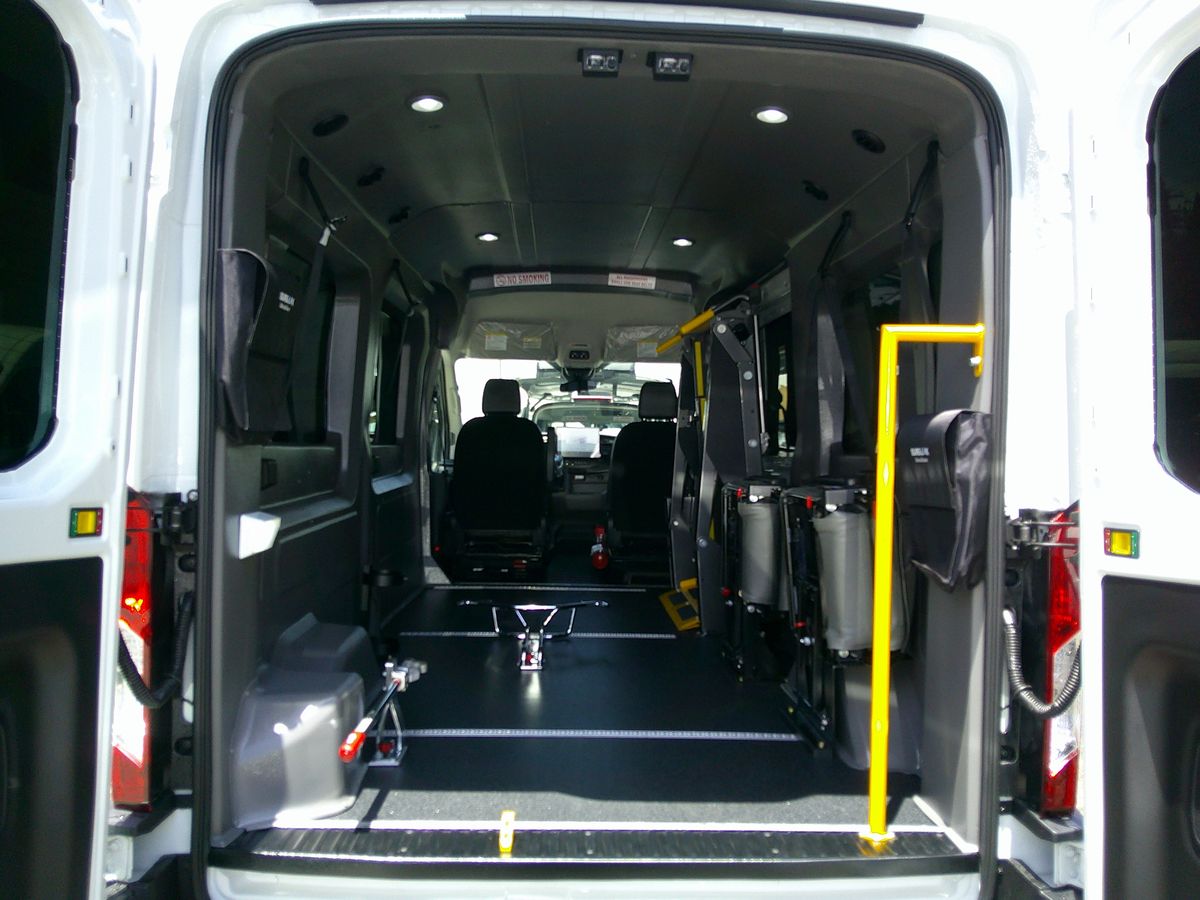
Chemo lowers immune defenses — so our vehicles are kept clean, climate-controlled, and calm. No shared rides with strangers.
Why Chemo Rides Are Different From Any Other Medical Ride
- The ride home is the hard one. Patients often arrive feeling fine and leave exhausted, nauseated, or foggy from pre-meds. The return trip needs a patient, unhurried driver who helps all the way to the door — not a curb drop.
- Infusion days run long — unpredictably. Labs come back slow, chairs back up, a reaction adds observation time. Your ride has to flex with that, without a meter running on someone’s goodwill.
- Immunity drops between cycles. A clean, private vehicle isn’t a luxury during nadir weeks — it’s risk management.
- Consistency is medicine. Oncologists schedule cycles precisely for a reason. A missed infusion isn’t a missed haircut; it’s a treatment-plan disruption. The ride cannot be the weak link.
- Energy is a budget. On treatment weeks, every ounce spent coordinating rides is an ounce not spent healing. A standing schedule removes the weekly scramble entirely.
The 6-Month Ride Plan: Four Steps That Keep Everyone Standing
This is the framework we help Hampton Roads families set up in a single phone call.
Map the whole calendar — not the first month
Ask the oncology scheduler for the full projected cycle plan: infusion dates, lab days, follow-ups. Put every ride on one calendar. Seeing “38 round trips” on paper is what moves families from winging it to planning it.
Sort every ride into three buckets
Family rides — the emotional milestones family should be present for. The grind — recurring infusion and lab runs: hand these to a standing professional schedule. Wild cards — added scans, moved appointments: pre-decide who covers these so nobody scrambles at 8pm.
Lock in standing pickups
One call sets the whole series: same pickup times, same routine, drivers who learn the patient’s pace and preferences. We wait out long infusion days and adjust when treatment runs over — that’s what a medical ride service is for.
Build the plan B before you need it
Decide now what happens when the volunteer cancels or the designated driver gets the flu. Our same-day medical rides are often available — save the number 1-757-440-3015 in the patient’s phone and every caregiver’s phone on day one.
What the months actually feel like
Adrenaline and casseroles. Everyone’s helping. This is when to set up the standing schedule — while you don’t desperately need it yet.
The fade. Volunteers’ lives resume; fatigue compounds. Families with a locked-in ride plan coast here. Families without one hit the wall.
The push to the finish. Energy is lowest, stakes highest. Reliable rides let family spend their strength where it counts — beside the chair, not behind the wheel.
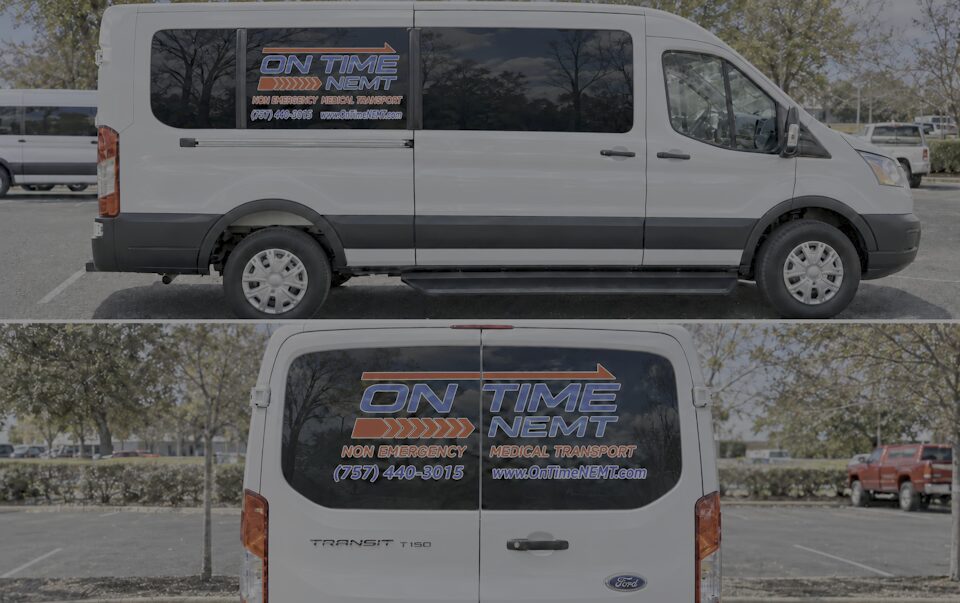
A real fleet with backup vehicles — so a six-month treatment plan never depends on one car starting.
How On Time NEMT Handles Cancer Treatment Rides
- Standing schedules for the whole course — book the series once; we show up every cycle, on time or the ride is free.
- Exact pickup times, never windows — treatment days are stressful enough without a four-hour “arrival window.”
- We flex with infusion days — if the chair runs long, your return ride adjusts. No stranded patients, no surge pricing, no guilt-texting a relative.
- Door-through-door, both directions — an arm to lean on, help with the bag, settled safely inside before we leave. Especially on the ride home.
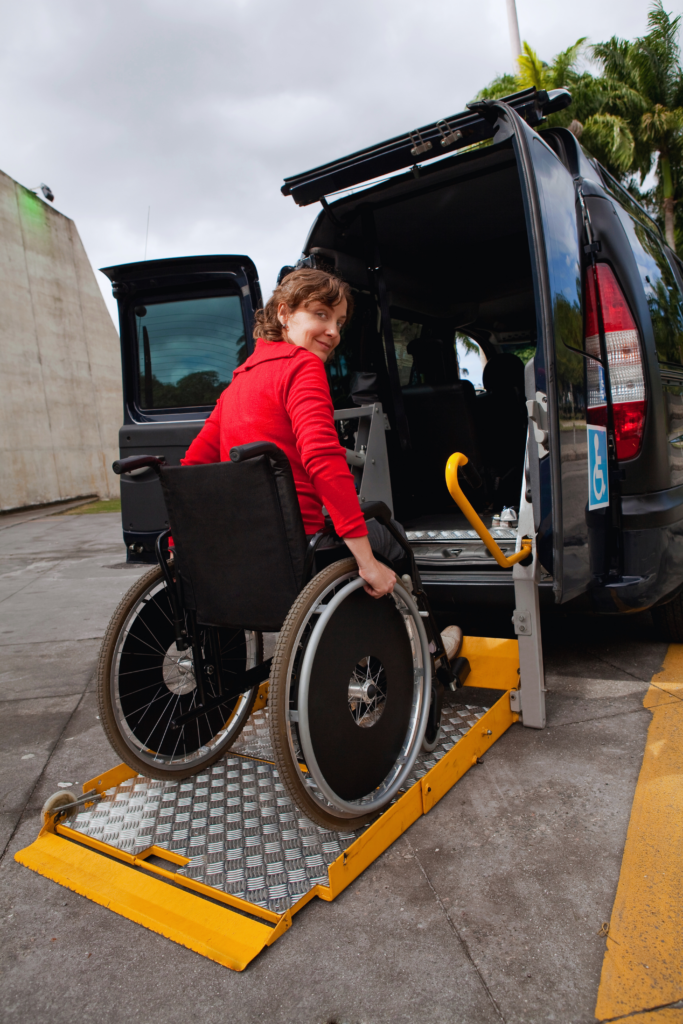
- Every mobility level — ambulatory today, wheelchair van if neuropathy or fatigue changes things mid-course, stretcher transport if it ever comes to that. One company for the whole journey.
- Family welcome to ride along — many spouses ride to the first infusion, then hand the driving to us once the routine is trusted.
Treatment at Virginia Oncology Associates, Sentara’s cancer centers, Chesapeake Regional, or a Riverside or Bon Secours location — if there’s an infusion chair at the end of the trip, we know the entrance, the drop-off, and the valet-free way in.
Cancer Treatment Rides Across Hampton Roads — and Soon, All of Virginia
Locally owned, not a broker. Standing chemo schedules running every week in all seven cities — with service expanding across the Commonwealth.
Chesapeake
Infusion and oncology rides from Great Bridge, Deep Creek, and Western Branch — including Chesapeake Regional’s cancer services.
Medical transportation in Chesapeake →Norfolk
Rides to Sentara Norfolk General, EVMS-area practices, and Virginia Oncology Associates locations — from Ghent to Ocean View.
Medical transportation in Norfolk →Virginia Beach
Treatment runs to Sentara Virginia Beach General, Princess Anne, and oncology practices across the city — on a schedule you set once.
Medical transportation in Virginia Beach →Also serving Portsmouth, Suffolk, Hampton, and Newport News — with long-distance treatment transport available up to 240 miles.

Questions Families Ask About Chemo Transportation
Will you wait during a long infusion?
My treatment center says I need a confirmed ride home. Does a medical ride service count?
Can we book the entire treatment course at once?
What if my loved one feels too sick to sit up on the way home?
Are there free rides to chemo? Should we use them?
What does a cancer treatment ride cost?
More Guides for Families in Treatment Season
Set Up the Whole Treatment Course in One Call
Tell us the cycle schedule. We’ll lock in standing pickups, flex with the long days, and be the reason your family’s energy goes to each other — not to logistics. On time, or the ride is free.
Free-ride guarantee requires a scheduled pickup time that allows on-time arrival and rider ready at pickup.